The Passover Lamb
Moses’ eightieth year belongs to the Passover and Exodus stage. The proposed eightieth Jubilee places Jesus, our Passover, at the center of the historical deliverance pattern.
Follow the deliverance connection → THE WHEEL OF AGESDISCOVERING GOD'S PLAN THROUGH TIMEStudy Guide
PATTERN & PROPHECY
From bondage to deliverance. From testing to inheritance.
The life of Moses moves through Egypt, preparation in Midian, Passover, the wilderness, and the transfer of leadership to Joshua. Could these stages also illuminate humanity’s journey through history?
A proposed interpretive correspondence. Scripture does not instruct readers to multiply Moses’ age by fifty or establish this as a prophetic dating formula.
TWO CONNECTIONS WORTH CONSIDERING
Moses’ eightieth year belongs to the Passover and Exodus stage. The proposed eightieth Jubilee places Jesus, our Passover, at the center of the historical deliverance pattern.
Follow the deliverance connection →Moses’ life concludes at 120 and Joshua takes up the leadership. The proposed 120th Jubilee may indicate a transition from the present period of testing toward the promised reign under Jesus.
Follow the inheritance connection →Reading the evidence: biblical statements establish Moses’ ages and Israel’s journey; historical proposals assign ancient calendar dates; the Wheel’s interpretation connects those stages with Jubilee intervals and the millenniums.
THE LIFE AND HISTORY ALIGNED
Each interval contains 1,000 historical years and 20 fifty-year Jubilee cycles, corresponding to twenty years in the life-pattern chart. Seven equal intervals align with the seven Creation Days and the Wheel’s featured-event themes.
| Pattern correspondence | Interval 11,000 years · 20 Jubilees | Interval 21,000 years · 20 Jubilees | Interval 31,000 years · 20 Jubilees | Interval 41,000 years · 20 Jubilees | Interval 51,000 years · 20 Jubilees | Interval 61,000 years · 20 Jubilees | Interval 71,000 years · 20 Jubilees |
|---|---|---|---|---|---|---|---|
| Moses’ life / continuation under Joshua | 0–20 yearsBirth, rescue and upbringing | 20–40 yearsEgyptian upbringing; flight at forty | 40–60 yearsMidian, marriage and shepherding | 60–80 yearsBurning bush, commission and Passover | 80–100 yearsRed Sea, Sinai and wilderness testing | 100–120 yearsFinal wilderness years; Joshua commissioned | Continuation under Joshua*Continuation under Joshua: conquest and inheritance |
| Historical pattern · elapsed years | 0–1,000Millennium 1 · 1,000 years | 1,000–2,000Millennium 2 · 1,000 years | 2,000–3,000Millennium 3 · 1,000 years | 3,000–4,000Millennium 4 · 1,000 years | 4,000–5,000Millennium 5 · 1,000 years | 5,000–6,000Millennium 6 · 1,000 years | 6,000–7,000Millennium 7 · 1,000 years |
| Jubilee cycles · 20 per interval | 1–2020 × 50 = 1,000 years | 21–4020 × 50 = 1,000 years | 41–6020 × 50 = 1,000 years | 61–8020 × 50 = 1,000 years | 81–10020 × 50 = 1,000 years | 101–12020 × 50 = 1,000 years | 121–14020 × 50 = 1,000 years |
| Creation Week | Day 1Light and darkness | Day 2Waters divided | Day 3Dry land, seed and fruit | Day 4Lights, signs and seasons | Day 5Life fills the sea and sky | Day 6Living creatures; humanity, image and dominion | Day 7Sabbath rest |
| Featured events throughout history | Satan deceives Eve; Adam disobeys → | Violence & Flood → | Hebrews delivered on dry ground → | Jesus, John the Baptist & the Disciples; the Cross → | New Creations in Christ through the Gospel → | Nations established; the Last Adam returns → | Millennial Reign of Jesus · 1,000 years → |
*120–140 continues the pattern under Joshua; Moses died at 120; Scripture does not establish an exact twenty-year duration for the events under Joshua. Ages 20, 60 and 100 are comparison boundaries, not separately dated biblical milestones. Jubilee ranges number the fifty-year cycles within each millennium. Featured events express the Wheel’s thematic correspondences and do not occur at every interval boundary.

Moses is born during Israel’s oppression, hidden by his mother, placed in the river, rescued by Pharaoh’s daughter, and raised as her son. His upbringing includes education in Egyptian learning. Scripture does not date each childhood event within a twenty-year division.
Exodus 1:8–22 · Exodus 2:1–10 · Acts 7:20–22Creation: Light and darkness. Life-pattern interval: 0–20 years.
The Fall opens humanity’s bondage to sin and death. Moses’ beginning in Egypt supplies the life-pattern comparison.
Genesis 1:3–5 · Genesis 3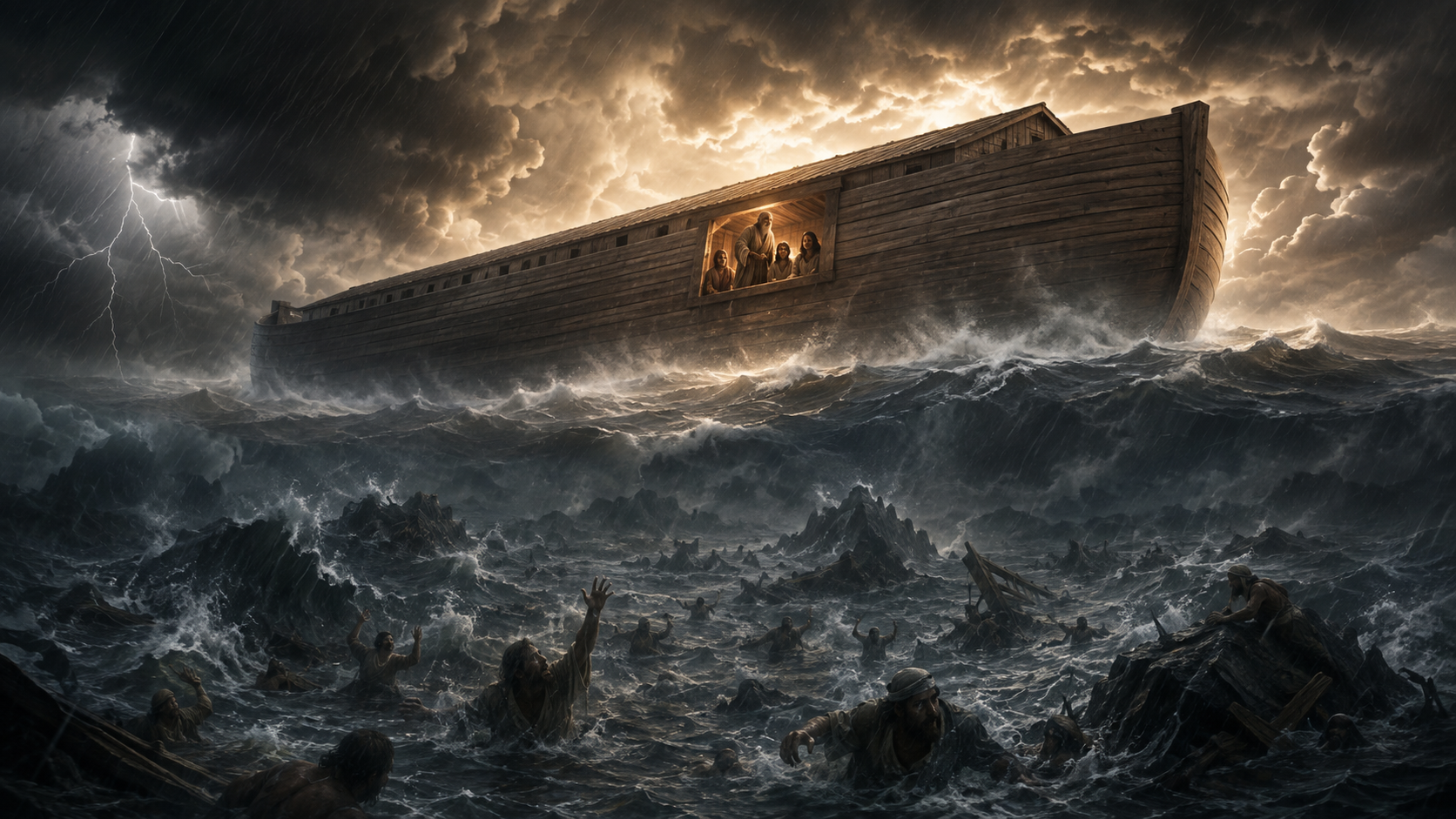
Moses’ upbringing in Egypt continues. At approximately forty, he visits his Hebrew brethren, defends an oppressed Hebrew, and kills an Egyptian. When the incident becomes known, he flees to Midian.
Exodus 2:11–15 · Acts 7:23–29Creation: Waters divided. Life-pattern interval: 20–40 years.
Waters and separation correspond thematically with the Flood and the preservation of a remnant. The twenty-year division is a chart interval, not a separately recorded milestone in Moses’ life.
Genesis 1:6–8 · Genesis 6–9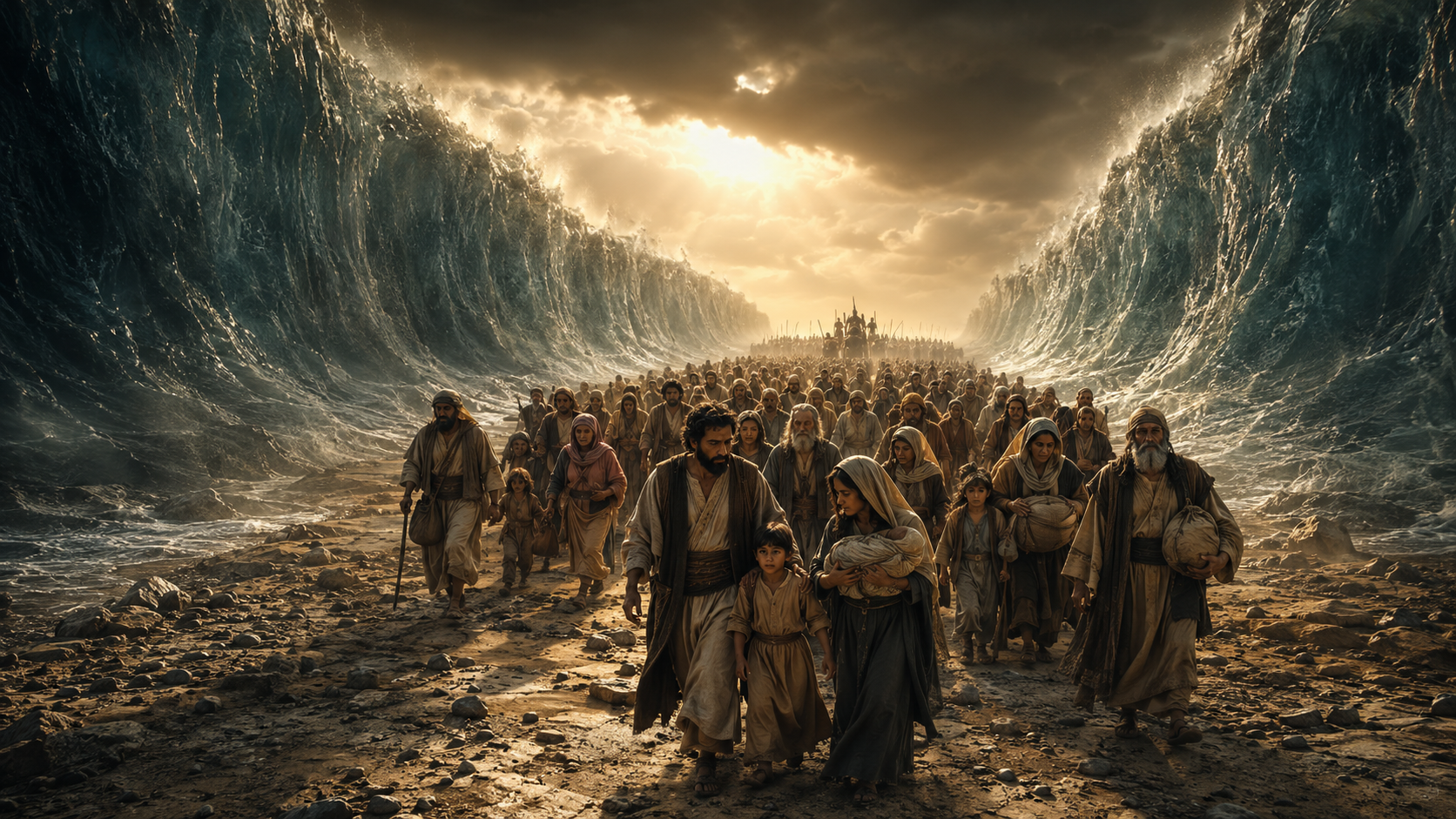
Moses settles in Midian, helps the priest’s daughters at the well, marries Zipporah (whose name means “bird”), and begins his life as a shepherd. These events begin his forty-year period of preparation outside Egypt; Scripture does not date each event within that period.
Exodus 2:15–22 · Exodus 3:1 · Acts 7:29–30Creation: Dry land, seed and fruit. Life-pattern interval: 40–60 years.
The Red Sea crossing supplies the historical dry-ground correspondence. Moses’ own ages 40–60 fall within his preparation in Midian; the aligned stories are thematic, not simultaneous events.
Genesis 1:9–13 · Exodus 14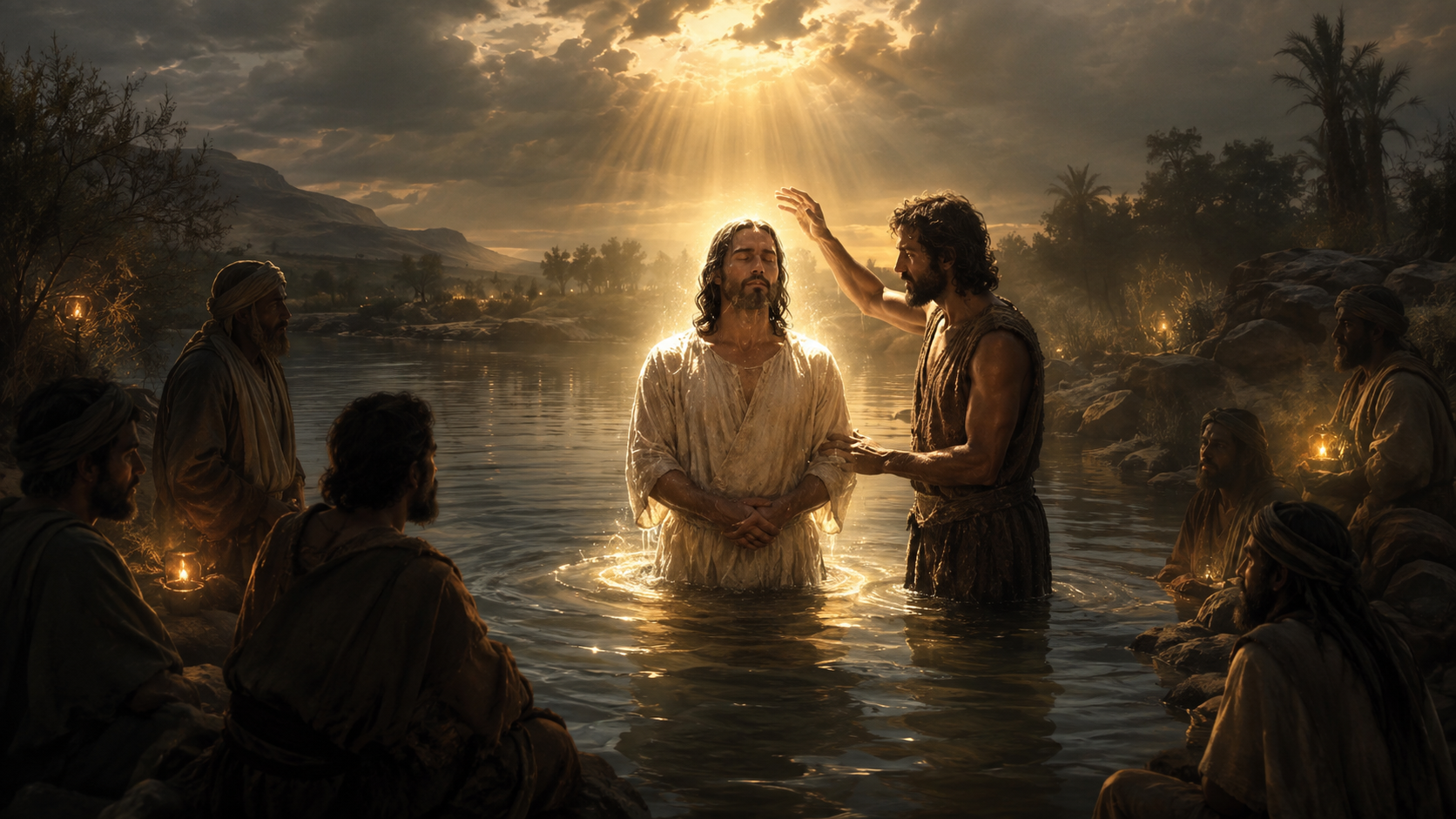
Moses’ shepherding and preparation in Midian continue. After forty years, God appears at the burning bush and commissions him. Moses returns to Egypt and confronts Pharaoh at eighty. The plagues culminate in Passover and the Exodus at this major transition, emphasizing the proposed 80th-Jubilee connection to Jesus, the Passover Lamb.
Exodus 3–12 · Acts 7:30–36 · Exodus 7:7Creation: Lights, signs and seasons. Life-pattern interval: 60–80 years.
Jesus appears as the Light of the world. At the interval’s culmination, Moses at eighty and the proposed eightieth Jubilee emphasize the Passover Lamb and deliverance.
Genesis 1:14–19 · John 8:12 · 1 Corinthians 5:7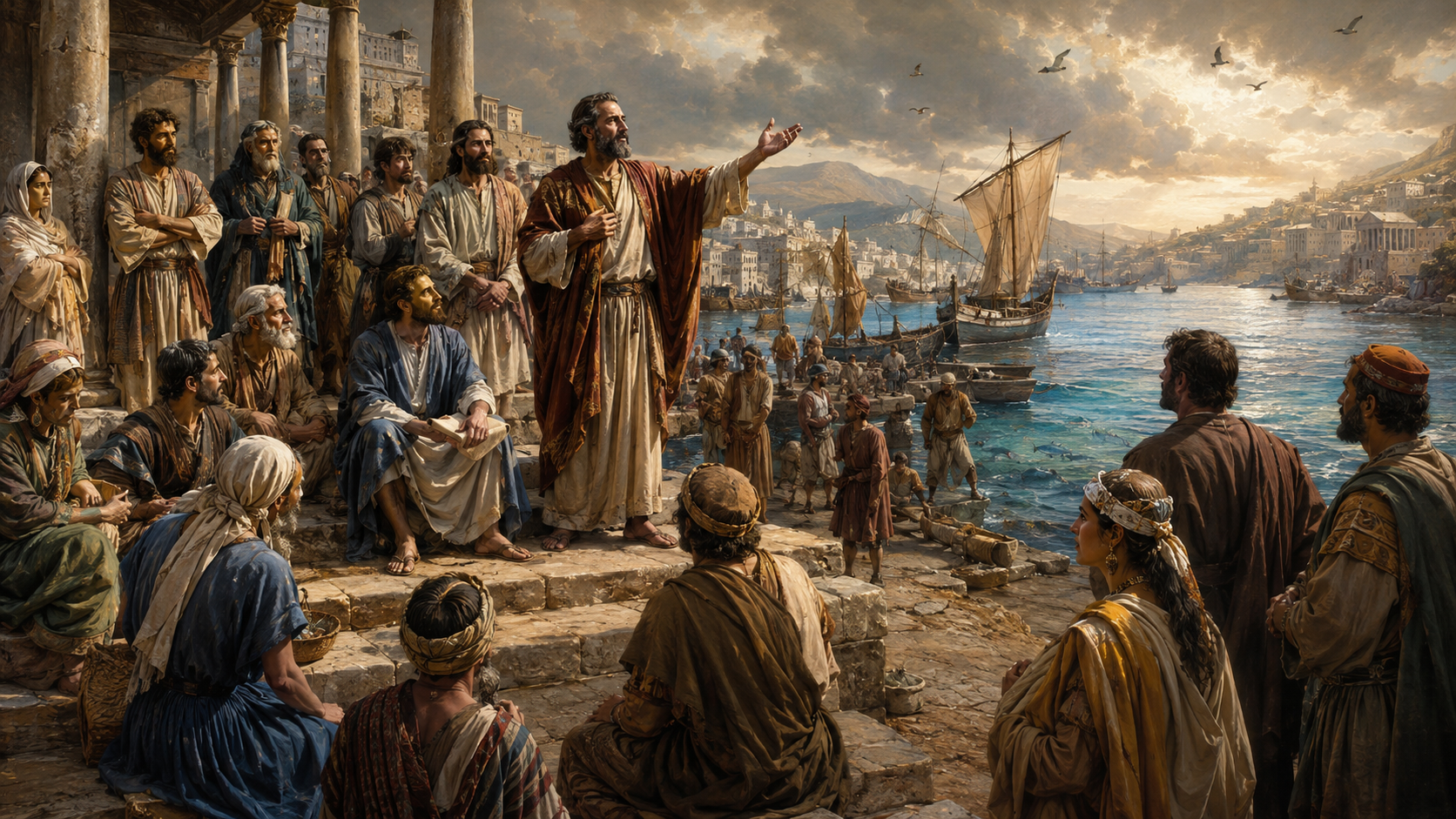
After Passover, Israel crosses the Red Sea and enters the wilderness. God provides manna and water, gives the covenant and commandments at Sinai, and directs the construction of the Tabernacle. Following the spies’ report and Israel’s unbelief, the wilderness judgment begins. These major events occur early in this interval; the wilderness journey continues afterward.
Exodus 14–20 · Exodus 25–40 · Numbers 13–14Creation: Life fills the sea and sky. Life-pattern interval: 80–100 years.
Multiplication of life invites comparison with the gospel’s spread and new creations in Christ. Moses’ wilderness journey supplies the continuing pattern of testing after deliverance.
Genesis 1:20–23 · Matthew 4:19 · 2 Corinthians 5:17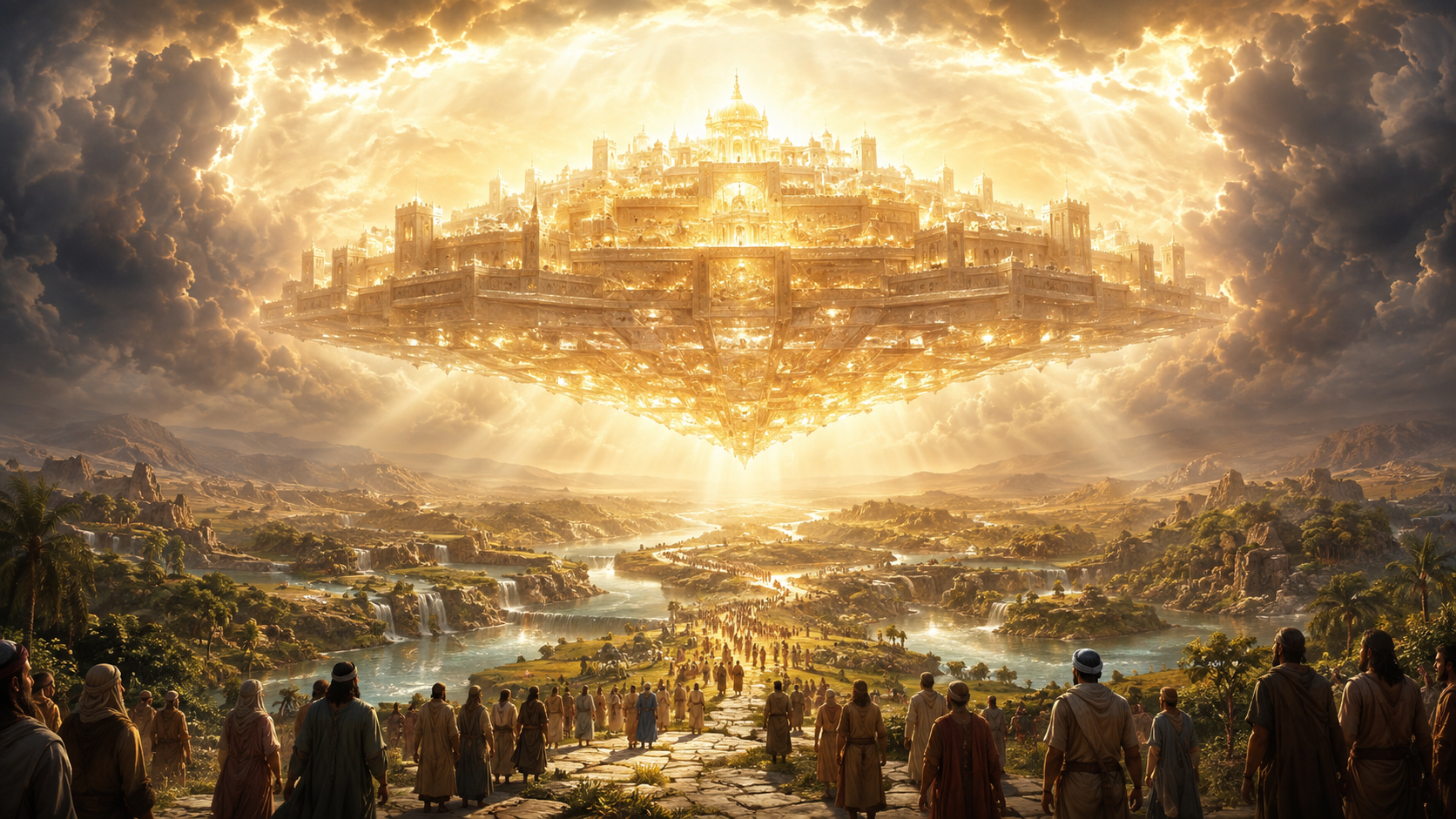
The wilderness journey continues through testing and the passing of the former generation. Near its conclusion, Moses addresses the next generation, commissions Joshua, views the promised land, and dies at 120. The transfer of leadership emphasizes the proposed 120th-Jubilee transition toward the promised inheritance.
Numbers 20–27 · Deuteronomy 31:1–8 · Deuteronomy 34:1–9Creation: Living creatures; humanity, image and dominion. Life-pattern interval: 100–120 years.
The Wheel connects the nations and Christ’s righteous rule with image and dominion. Moses’ death at 120 and Joshua’s succession mark the proposed transition toward inheritance.
Genesis 1:24–31 · 1 Corinthians 15:45 · Revelation 19:11–16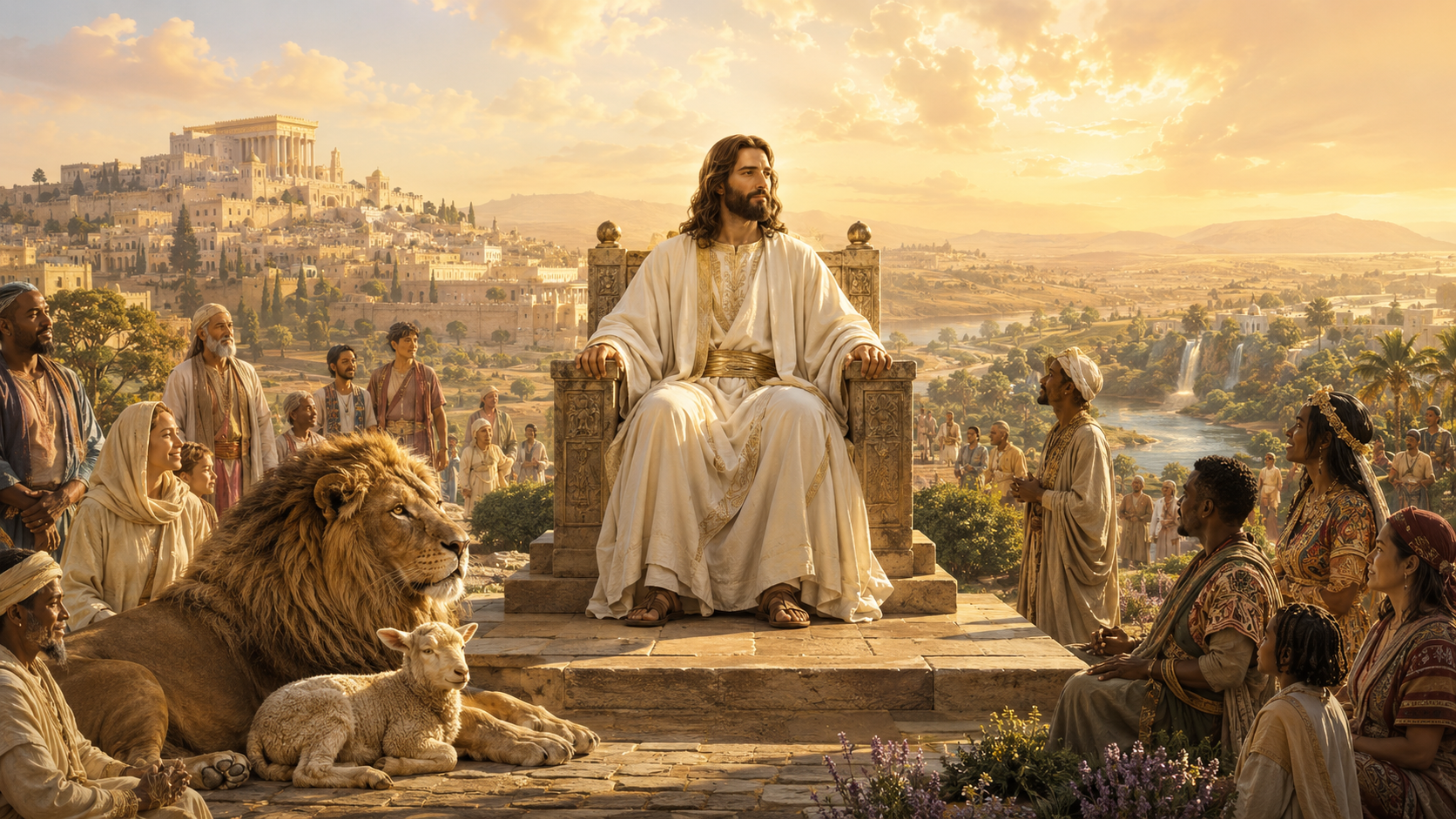
Joshua assumes leadership, leads Israel across the Jordan on Nisan 10, observes Passover in Canaan, leads the conquest beginning with Jericho, and distributes the inheritance. God gives Israel rest from surrounding enemies. These events supply the comparison with Jesus’ Millennial Reign and promised rest. The symbolic twenty-year extension is part of the proposed chart; Scripture does not establish that all these events occurred within exactly twenty years after Moses’ death.
Joshua 1–6 · Joshua 11:23 · Joshua 14–21 · Joshua 21:43–45 · Hebrews 4:8–11Creation: Sabbath rest. Life-pattern interval: Symbolic 120–140, continuing under Joshua.
The seventh millennium corresponds to Sabbath rest and the promised inheritance under the appointed leader. The chart continues under Joshua; Moses died at 120.
Genesis 2:1–3 · Hebrews 4:8–11 · Revelation 20:1–680 × 50 = 4,000
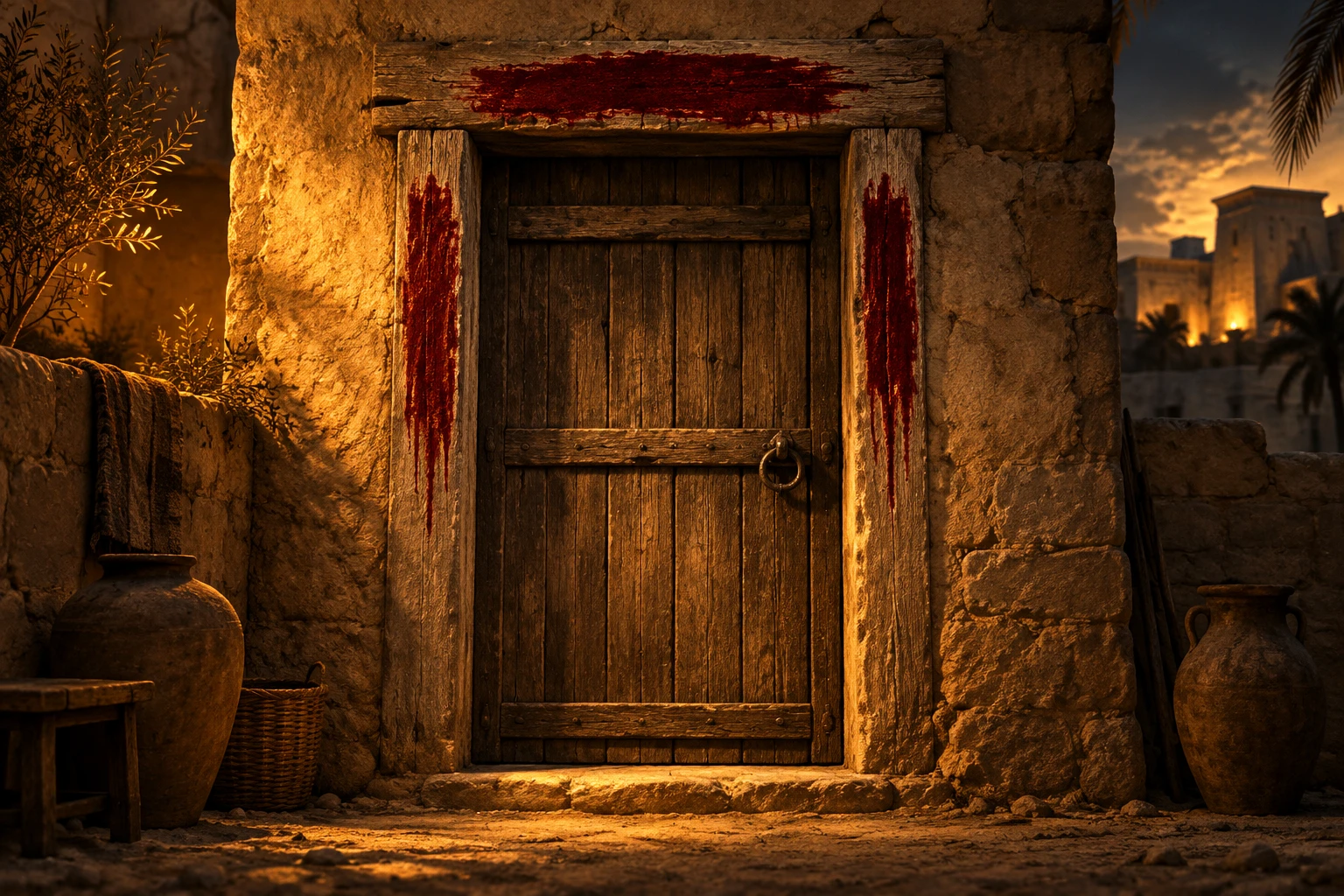
Exodus 7:7 places Moses at eighty when he speaks to Pharaoh. Exodus 12 records the lamb’s sacrifice, the protection of the households marked by blood, and Israel’s departure. God delivers a people who cannot free themselves.
Exodus 7:7 · Exodus 12:1–14 · Exodus 12:29–42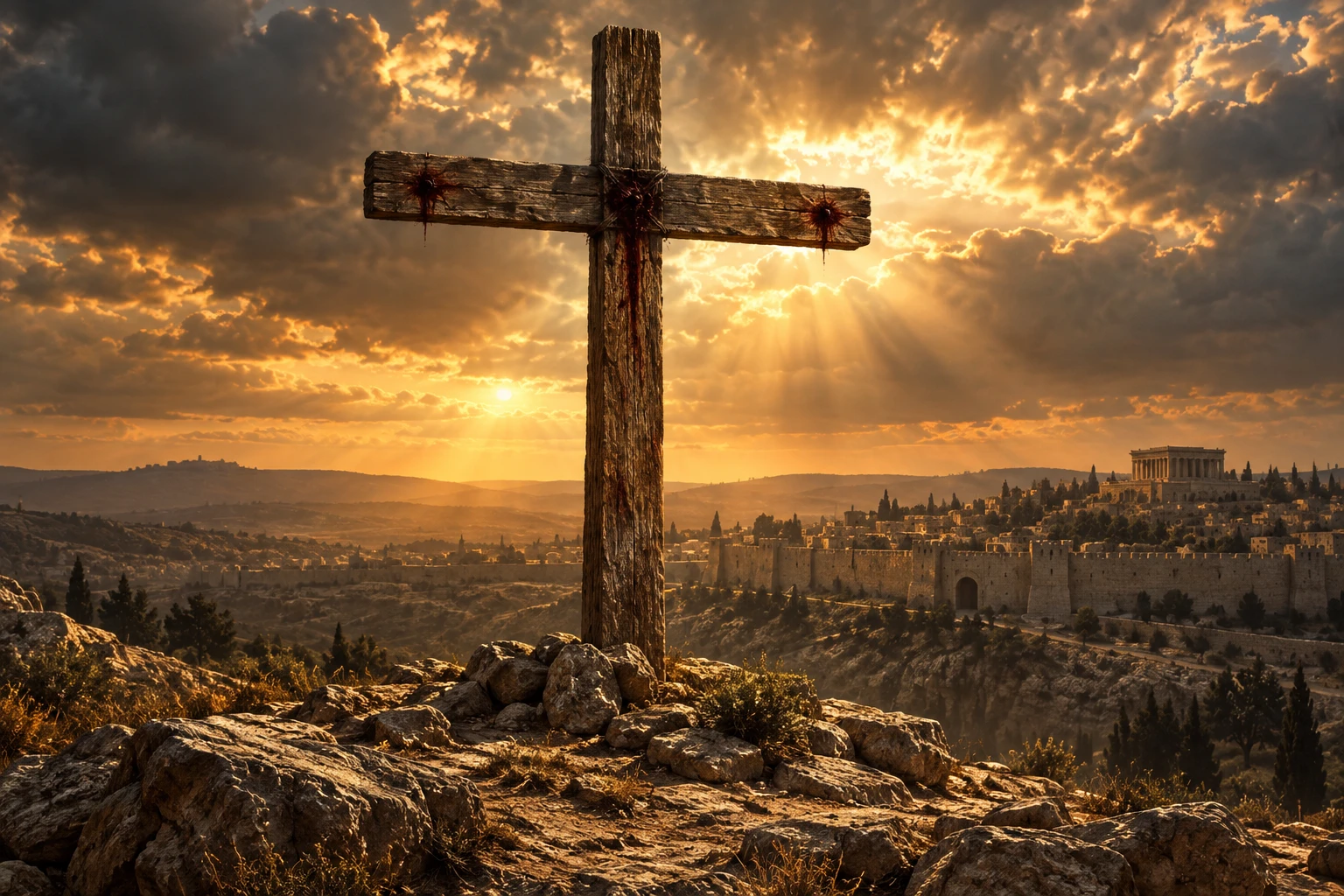
Paul identifies Christ as our Passover. The Wheel proposes that Moses’ eightieth year corresponds to the eightieth Jubilee, with Jesus’ sacrifice as the greater deliverance toward which the pattern points.
1 Corinthians 5:7 · John 1:29 · Romans 6:6–11This is the Wheel’s current working proposal. The same day is April 26, 28 AD in the proleptic Gregorian calendar. Its identification as ancient Nisan 14 remains conditional.
Read the crucifixion chronology study →The multiplication establishes the proposed numerical correspondence, not an independent calendar anchor. The site calibrates its fifty-year cycles around the proposed eightieth Jubilee; that calibration should not then be treated as independent proof of the crucifixion date.
120 × 50 = 6,000
Moses’ commissioning of Joshua, death at 120, and Israel’s later crossing of the Jordan form a sequence: leadership passes, the wilderness journey ends, and the people enter the inheritance. Within the Wheel’s proposed chronology, this may illuminate the transition associated with the 120th Jubilee.
Numbers 27:18–23 · Deuteronomy 31:1–8 · Deuteronomy 34:7–9 · Joshua 1:1–9Joshua 4:19 dates Israel’s emergence from the Jordan to the tenth day of the first month, commonly called Nisan 10. The Wheel considers this date a possible correspondence for entry under Jesus’ leadership.
Joshua 4:19 · Joshua 5:10–12The entrance into the Promised Land occurs 40 years after the Exodus. · 1406 BC — 1405 BC →
The shared fixed-calendar calculation places Nisan 10 on April 6, 2028 AD, beginning at sunset April 5 in Jerusalem. Nisan 14 follows four days later, on April 10, 2028 AD.
This spring proposal precedes the Wheel’s autumn 2028 completion of 6,000 years. The spring marker and the autumn anniversary are distinct.
Jesus’ Return? · proposed Nisan 10 correspondence →The date belongs to the crossing account. Hebrews 4:8 discusses Joshua and the rest he did not finally provide; it does not predict Jesus’ return on Nisan 10. In the KJV, “Jesus” in Hebrews 4:8 refers to Joshua. Scripture does not establish the proposed 2028 return date.
Hebrews 4:8–11 · Matthew 24:36 · Acts 1:7FROM THE WILDERNESS TO THE INHERITANCE
Joshua leads a delivered people into their inheritance, overcomes opposing powers, and apportions the land. These movements invite comparison with Jesus’ victorious return and the thousand-year reign in Revelation 20.
Joshua means “The LORD saves” or “The LORD is salvation.” Joshua and Jesus have related Hebrew name forms; Jesus carries that salvation meaning. Moses is associated in Exodus 2:10 with being “drawn out” of the water. These name connections deepen the study without turning its correspondences into an explicit prophetic timetable.
| Connection | Joshua’s conquest | Jesus and the coming reign |
|---|---|---|
| Appointed leadership | Joshua receives a commission to lead Israel after Moses. | Jesus, the risen Lord, leads His people toward the fulfillment of God’s promises. |
| Crossing into inheritance | Israel emerges from the Jordan on the tenth day of the first month and enters Canaan. | The Wheel considers this an image of a transition toward the promised reign; the crossing date does not predict Christ’s return. |
| Defeat of opposing powers | Joshua’s campaigns overcome resistance to Israel’s possession of the land. | Revelation portrays Christ overcoming hostile powers before the thousand-year reign. The campaigns do not supply an exact timetable for Revelation. |
| Sevenfold conquest imagery | At Jericho, seven priests carry seven trumpets; the procession culminates on the seventh day with seven circuits. | Revelation’s seven seals, trumpets and bowls invite comparison with ordered divine judgment. This is thematic correspondence, not a one-to-one prediction. |
| Restraint of the adversary | Opposing rulers are defeated, making room for Israel’s inheritance. | Satan is bound so that he cannot deceive the nations during the thousand years. Joshua’s conquests do not explicitly depict this binding. |
| Rule and judgment | Joshua leads Israel in obedience to God’s covenant and appointed commands. | Jesus exercises righteous judgment; Revelation describes His rod of iron and the saints reigning with Him. |
| Inheritance and rest | God gives Israel the land and rest from surrounding enemies. | Hebrews points beyond the rest under Joshua to a rest that remains for God’s people. The Wheel connects this expectation with the coming Sabbath reign. |
Joshua 21 describes real rest and fulfilled promises in Israel’s possession of the land. Hebrews 4 nevertheless points beyond that historical rest to a rest remaining for God’s people. The Wheel reads the coming reign as a Sabbath transition within this wider hope.
Joshua 21:43–45 · Hebrews 4:8–11Revelation 20 describes Satan’s restraint and the saints’ thousand-year reign. It also records his later release and rebellion. The new heaven, new earth, and God dwelling with His people are described in Revelation 21–22. Entry into the Millennium begins a greater movement toward restoration.
Revelation 20:1–10 · Revelation 21:1–5 · Revelation 22:1–5Canaan’s conquest and the Millennium are distinct events. Their comparison concerns appointed leadership, victory, inheritance, and rest; it does not transfer every military detail or territorial boundary to Christ’s reign.
THE CHART AND THE CHRONOLOGY
The supplied chart is the foundation of this study. Its Exodus label, 1446 BC, is a traditional historical proposal also represented in the Wheel’s existing Exodus record, whose range extends to 1445 BC and whose note discusses an alternative 1444 BC proposal. It is not a verified Jubilee anchor.
The Exodus date belongs to Moses’ actual lifetime; it is not the calendar date of the historical 4,000-year milestone to which his eightieth year is compared. The Wheel’s Fall anchor is autumn 3973 BC, calibrated backward within its proposed model. Civil calculations omit year zero and distinguish Julian ancient dates from Gregorian equivalents.
The chart’s forty-year wilderness span becomes forty fifty-year intervals, or 2,000 years, in the comparison. AD 28 to AD 2028 is a 2,000-year year-number separation; exact festival anniversaries and the Wheel’s autumn boundaries require their own calendar calculations.
DELIVERANCE · TESTING · INHERITANCE
Moses at eighty and Moses at 120 form two compelling points for consideration: deliverance through the Passover Lamb, followed by testing and a transition toward the promised inheritance. Joshua’s story invites us to look ahead to Jesus’ righteous reign and the rest God promises His people.
Explore the Wheel of Ages →